Among the next-generation obesity peptides, most pair GLP-1 agonism with GIP (tirzepatide, VK2735, MariTide's inverse variant). Survodutide — jointly developed by Boehringer Ingelheim and Zealand Pharma — takes the other fork: GLP-1 plus glucagon receptor agonism. The theoretical case is attractive: glucagon raises resting energy expenditure and mobilises hepatic lipid, potentially producing weight loss and liver benefits that pure GLP-1 cannot. Phase 2 showed ~19% weight loss at 46 weeks and 83% MASH resolution in a biopsy-confirmed trial. Phase 3 began in 2024.
Key Takeaways
- GLP-1 + glucagon receptor dual agonist. Not GIP — glucagon. The dual-agonism philosophy is different from tirzepatide and MariTide.
- Phase 2 obesity (46 weeks): –18.7% body weight at the top dose, with no plateau at study end.
- Phase 2 MASH (NCT04771273): 83% achieved biopsy-confirmed MASH resolution without fibrosis worsening at the top dose, and ~65% achieved fibrosis improvement.
- Co-developed by Boehringer Ingelheim and Zealand Pharma. BI leads commercialisation; Zealand owns milestone and royalty economics.
- Weekly subcutaneous injection. Same dosing cadence as tirzepatide and semaglutide.
- Phase 3 program covers obesity, type 2 diabetes, and MASH — breadth that reflects the dual-mechanism value proposition.
Why Glucagon Agonism?
Historically, glucagon was treated as the metabolic opposite of insulin — a drug target to block, not activate, because glucagon raises blood sugar. The counter-insight that drives survodutide and other dual agonists is that chronic, controlled, partial glucagon receptor agonism has effects that go well beyond blood sugar:
- Increased resting energy expenditure (~5–10% in some studies) — the body burns more calories at rest
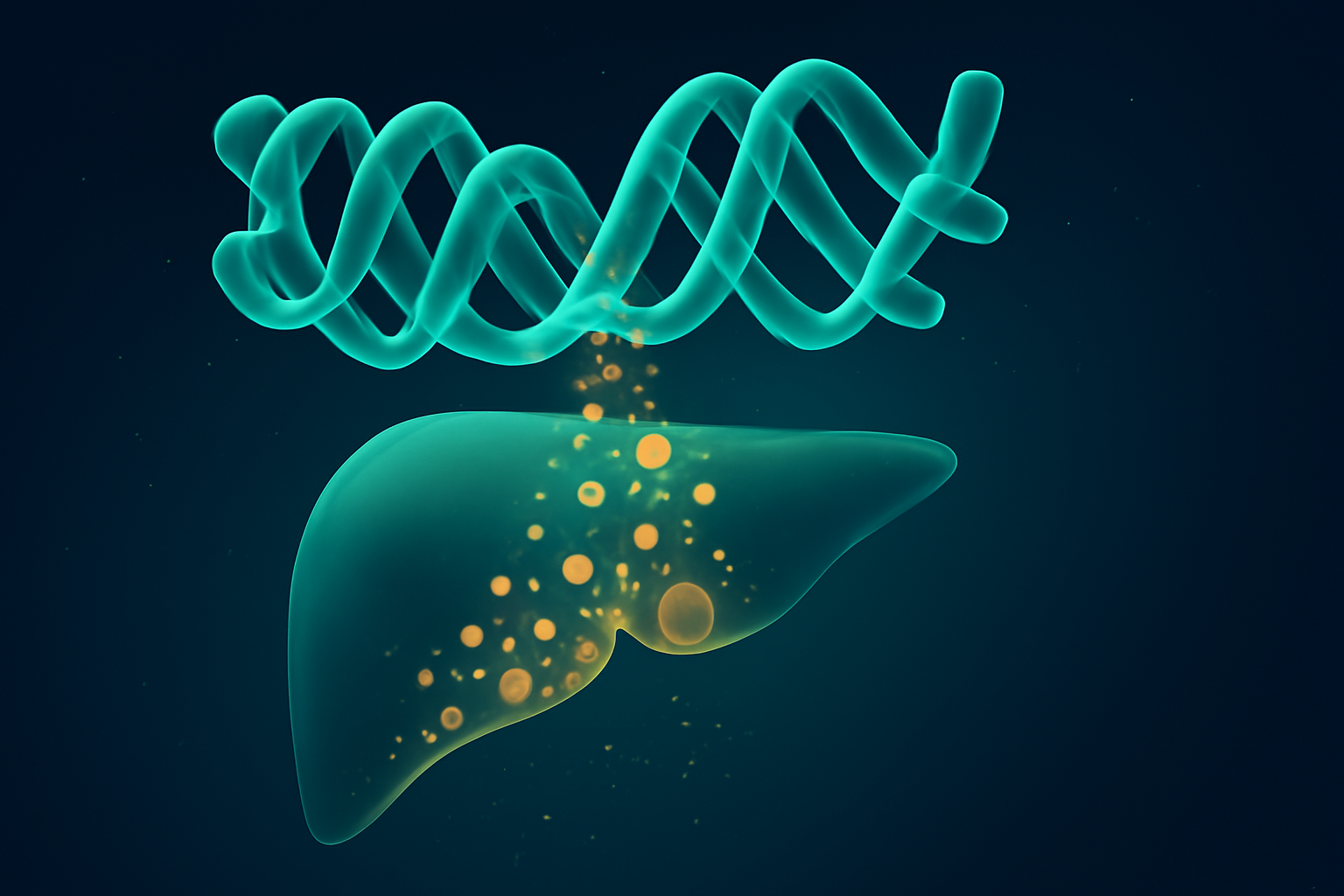
- Hepatic lipid mobilisation — glucagon drives fatty acid oxidation in the liver, reducing hepatic triglyceride stores
- Lipolysis in adipose tissue — fat is released from fat cells for use as fuel
Pair this with GLP-1 (which suppresses appetite and glucose) and the theoretical result is weight loss driven on both sides of the energy equation: reduced intake and increased expenditure, with specific liver benefits as a bonus. In animal models this profile is reliably stronger for weight loss and more effective for hepatic steatosis than GLP-1 alone.
The Obesity Phase 2 Trial
The Phase 2 obesity trial randomised ~387 adults with obesity to survodutide at four doses or placebo over 46 weeks of treatment. Key findings:
- Top-dose weight loss: –18.7% at week 46 (placebo-adjusted ~ –17.3%)
- Weight was still trending down at the end of the dosing period — the Phase 2 curve had not plateaued
- GI tolerability: dominated by nausea, vomiting, and diarrhea during titration, consistent with the class
- Dose-dependent cardiovascular signals: small heart rate increases observed, as is typical for GLP-1 agents
The 18.7% at 46 weeks is important context: tirzepatide at 46 weeks was ~17–18% in SURMOUNT-1. Survodutide held pace with the leading dual agonist while adding a liver and energy-expenditure mechanism.
The MASH Phase 2 Trial
Survodutide may matter more for MASH (metabolic-associated steatohepatitis, formerly NASH) than for obesity alone. The Phase 2 MASH trial required biopsy confirmation of F2 or F3 fibrosis at baseline, and used biopsy-confirmed endpoints at week 48. Headline results:
- 83% achieved MASH resolution without fibrosis worsening at the top dose vs 18% on placebo
- ~65% achieved ≥1-stage fibrosis improvement without MASH worsening
- Liver enzymes (ALT, AST), liver stiffness, and non-invasive fibrosis markers improved substantially
These are among the strongest MASH results reported for any investigational agent to date, placing survodutide alongside resmetirom (the first MASH-approved therapy) as a leading candidate — with the added benefit of significant weight loss.
Phase 3 Program
The SYNCHRONIZE Phase 3 program covers:
- Obesity (non-diabetic)
- Type 2 diabetes
- MASH with fibrosis
Topline readouts across the program are expected 2026–2027. If MASH data holds up in Phase 3, survodutide would be the first drug approved on both obesity and MASH indications simultaneously — a commercial profile distinct from Zepbound (obesity) or Rezdiffra (MASH).
Competitive Positioning
Three ways survodutide could carve a niche:
- MASH differentiation. No other GLP-1-class agent has survodutide's MASH data. If approved for MASH, it becomes a first-choice therapy for the overlapping obesity-plus-liver-disease population.
- Energy-expenditure mechanism. If head-to-head data eventually shows glucagon dual agonism preserves lean mass better than GLP-1 monotherapy, survodutide gains a body-composition story.
- Boehringer commercial muscle. BI has global reach and existing cardiometabolic sales infrastructure (Jardiance franchise) — a credible commercial partner.
Where it faces questions:
- Head-to-head data vs tirzepatide doesn't exist yet. Comparisons are indirect.
- Glucagon-related cardiovascular effects (heart rate, blood pressure) need to be clean in Phase 3.
- Retatrutide (Lilly's GLP-1/GIP/glucagon triple agonist) extends the glucagon-agonism logic one step further and may show higher weight loss, limiting survodutide's weight-loss ceiling story if both reach market.
Frequently Asked Questions
Does glucagon agonism raise blood sugar?
Acutely yes — glucagon raises glucose. But the chronic effects of partial, balanced glucagon receptor activation combined with GLP-1 (which lowers glucose) produce net glycemic improvement in trials, not worsening. In type 2 diabetes Phase 2, A1C fell meaningfully on survodutide.
How is survodutide different from retatrutide?
Retatrutide is a triple agonist (GLP-1 + GIP + glucagon). Survodutide is a dual agonist (GLP-1 + glucagon only). Different companies, different molecular designs, overlapping mechanisms. Retatrutide has shown higher peak weight loss (~24–28%) in Phase 2 at longer time points.
Is survodutide a peptide?
Yes — a modified peptide designed to co-activate GLP-1 and glucagon receptors with controlled receptor-selectivity ratios. Weekly subcutaneous injection, like tirzepatide.
Is it approved for MASH?
Not yet. Phase 3 is underway. If positive, approval would likely come 2027–2028. The first MASH-approved drug (resmetirom/Rezdiffra) sets the regulatory precedent for biopsy-based endpoints.
Would survodutide replace a GLP-1 for weight loss?
If approved, likely as an alternative, not a replacement — particularly for patients with concurrent liver disease or MASH, where its dual mechanism offers specific benefits. For pure weight-loss cases without liver involvement, tirzepatide and semaglutide already set the baseline.
Who owns survodutide commercially?
Boehringer Ingelheim leads global development and commercialisation. Zealand Pharma, the original Danish discoverer of the molecule, retains milestone and royalty economics.
Primary sources:
- Boehringer Ingelheim — Survodutide program overview
- New England Journal of Medicine — Survodutide Phase 2 MASH trial
- ClinicalTrials.gov — SYNCHRONIZE Phase 3 program
Research disclaimer: Survodutide is an investigational drug and has not been approved by any regulatory agency. This article summarises publicly available clinical trial data for educational purposes and does not constitute medical advice.